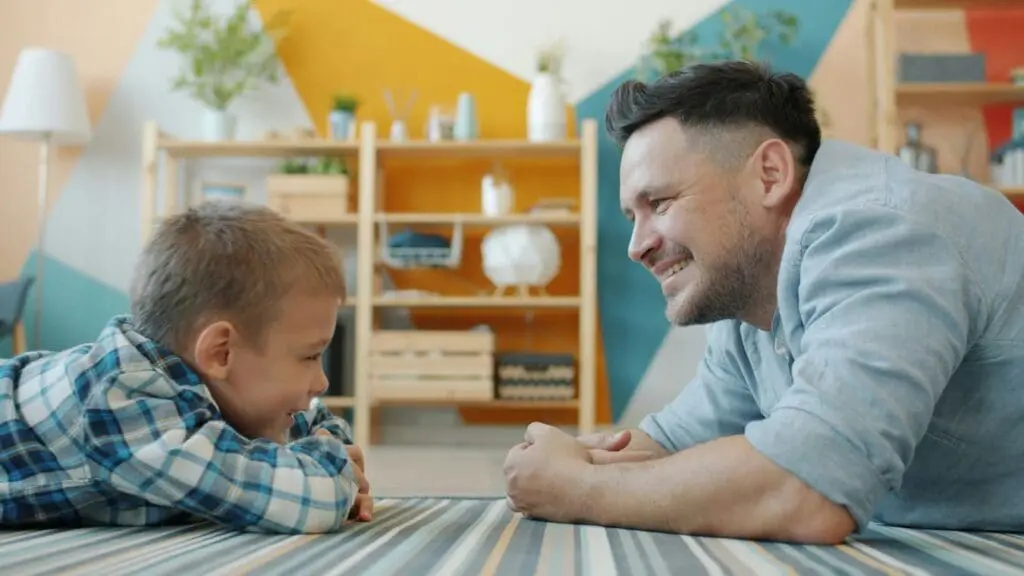
I recently recommended the book The Amazing Generation to my 4th grade son. The core argument—that we have accidentally traded a “play-based childhood” for a “phone-based childhood”—is a cultural intervention we all need to heed. But as a therapist, I see how this shift isn’t just affecting children; it’s fundamentally exacerbating a sense of constant alertness in adults that often mimics a trauma response.
The emotional weight of living in constant alertness is heavy. You may feel anxious, lonely, disconnected, chronically stimulated but somehow undernourished. This state is characterized by hyper-vigilance, an ongoing, exhausting feeling that you must be on guard, must be ready to respond to a text, a notification, a crisis, or just the next piece of content. The constant stream of stimulation acts like an echo chamber for a nervous system already conditioned to expect danger.
In the original post, I recounted an exchange with a woman who, despite a rich, full life, named a viral Facebook video as the most “amazing thing she had ever seen”. The video was content specifically engineered to keep her watching, not living.
This is the central issue: We are all being trained, little by little, to confuse stimulation with meaning. We confuse consuming with connecting. When we do this, we are unconsciously choosing to watch life instead of live it, often as a way to avoid the quiet discomfort and internal weight we are carrying.
What are we losing when we prioritize constant alertness?
We lose the space to:
- Tolerate discomfort.
- Experience boredom, which is the precursor to imagination and genuine self-reflection.
- Develop confidence by navigating real-world experiences without immediate distraction.
For high-achieving professionals and mothers, this constant alertness is often praised as being “productive” or “holding it all together.” You’re holding it all together, but the emotional load is overwhelming, leading to burnout and disconnection. The nervous system never gets the signal that it is safe to rest.
If you ask people about their favorite memories, they talk about: road trips, summers, inside jokes, heartbreak, and laughter so hard you couldn’t breathe. Real life, that uncurated kind.
Finding Safety and Stillness with Be Well Therapy Collective
At Be Well Therapy Collective, we understand that constant alertness is a form of emotional exhaustion that needs to be addressed, not medicated with distraction. We specialize in maternal mental health, couples therapy, and working with high-achieving professionals across California and Arizona.
Our team of licensed psychotherapists offers evidence-based interventions like EMDR and Trauma-Focused therapy, helping you find the stillness and safety needed to truly start living again. We help you move past the chronic stimulation and confusion so you can feel more connected, supported, and like yourself again.
We currently have immediate openings for virtual therapy appointments in California and Arizona, and we are in-network with UnitedHealthcare (UHC), Aetna, and Optum.
Take the first step toward reducing your emotional load. Book a Consultation.